
Woo is the kind of casino brand that makes experienced players look past the headline and inspect the mechanics: platform speed, lobby depth, payment flow, bonus rules, and the real limits behind the marketing. For Canadian players, that matters even more because the site sits in a grey-market category and the practical experience can differ from what a generic casino page implies. The question is not simply whether Woo has a large game library. It is whether its mix of slots, live tables, CAD cashier support, and withdrawal rules creates a playable balance for someone who already understands variance and terms. For the main page, the most useful approach is comparison: which parts are genuinely strong, which parts are merely convenient, and where the fine print changes the value of the offer.
If you want the brand page itself, see https://woo-ca.com. The more important task here is to evaluate the platform as a product, not a promise.
What Woo Does Well for Experienced Players
Woo’s biggest strength is not one single feature; it is the combination of a fast SoftSwiss backend, a broad game catalogue, and a cashier structure that is built with Canadian currency in mind. That combination reduces friction in the places where players usually lose patience: long load times, conversion confusion, and a lobby that feels thin after a few sessions. For an intermediate or experienced player, this matters because game quality is only part of the experience. The rest is how efficiently the site lets you move from browsing to staking to cashing out.
The reported library size is substantial, with thousands of games from many providers. In practical terms, that means Woo can support several player profiles at once: slot grinders, volatility chasers, live blackjack regulars, and table players who want a few side options rather than a narrow menu. The live dealer section is especially relevant for comparison analysis, because it separates a site that merely “has live casino” from one that can realistically serve regular table play. If the tables feel responsive and the stream quality is stable, the platform has an operational edge. If not, a large library becomes mostly cosmetic.
For CAD users, the value of native currency support is easy to underestimate. A cashier that settles in C$ instead of forcing conversion helps experienced players read results more clearly, especially when they are measuring session value, bonus exposure, or bankroll drift. This is not a glamour feature. It is a practical one.
Game Mix: Slots, Tables, and Live Dealer Compared
When people ask about the “best games” at Woo, they usually mean the broadest possible question: what category gives the best experience, best pacing, and best value perception? The answer depends on what kind of player you are. Slots, table games, and live dealer titles behave very differently, and Woo’s structure makes those differences easy to see.
| Category | What it offers | Best for | Main limitation |
|---|---|---|---|
| Slots | Largest choice, fast sessions, many volatility profiles | Players who want variety and bonus play | RTP can vary by provider or configuration |
| Live dealer | Real-time interaction, table atmosphere, clear pacing | Players who want a closer-to-casino feel | Usually poor for wagering progress on bonuses |
| Table games | Structured play, lower noise, rule-driven decisions | Players who prefer controlled sessions | Lower promotional contribution in many cases |
| Jackpot titles | High-upside, low-frequency outcomes | Players chasing rare spikes | Expected value is usually highly negative without luck |
Slots are the natural anchor for Woo because the catalogue breadth matters most where content variety matters most. If a player wants movement between classic reels, feature-heavy video slots, and high-volatility titles, Woo appears designed to keep that path open. The caution is that “more choice” does not automatically mean “better value.” Some providers use variable RTP profiles, so two games that look similar on the surface may not behave the same under the hood. That makes game selection part of bankroll management, not just entertainment.
Live dealer is the opposite. The appeal is not quantity; it is reliability and feel. If you prefer an immersive, dealer-led format, Woo’s live section is useful because it gives a cleaner comparison against standard RNG games. But live tables are usually a weak fit for promotions. Experienced players know this already, yet it remains one of the most common mistakes: using live casino play while expecting it to help with bonus turnover. In most cases, it does not.
Bonuses and Wagering: Where the Maths Matter
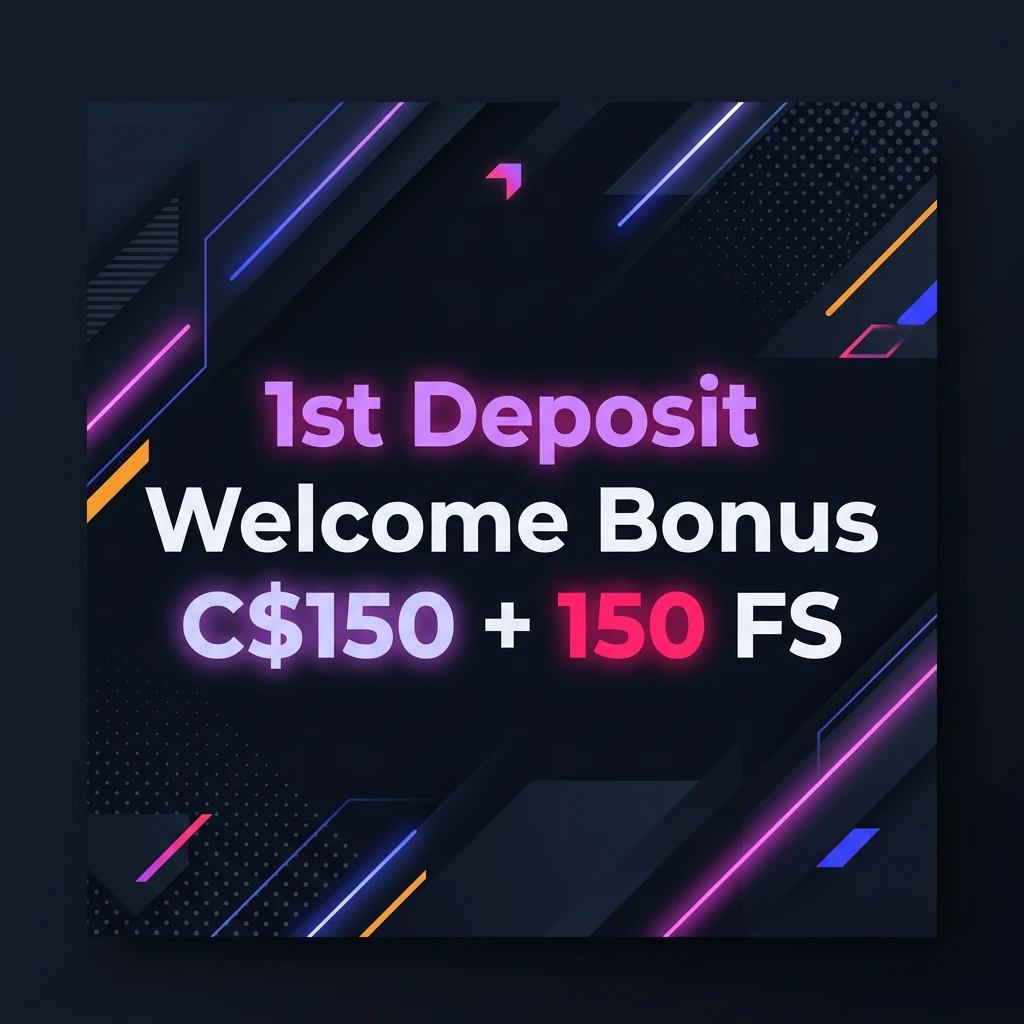
Woo’s welcome package is the kind of offer that looks straightforward until you calculate how the mechanics affect actual value. The structure is familiar: match funds plus free spins across the first deposits, tied to wagering on the bonus amount. For experienced players, the critical question is not “How big is the headline?” but “What must I do to release any usable value?” That is where the comparison becomes useful.
At a high level, bonus packages at casinos like Woo tend to share the same pattern: the more flexible they look on the surface, the more conditions sit underneath. Wagering multiplies risk, max-bet rules restrict variance control, and game contribution tables decide whether your preferred titles are even eligible. If you already understand bonus EV, then Woo’s package should be treated as a session-stretch tool, not as a profit engine.
Free spins add another layer of complexity. They can be enjoyable because they add a sense of momentum, but their actual utility depends on the slot selected, the spin value, and the withdrawal path attached to any winnings. Many players focus on quantity and ignore conversion friction. That is a mistake. The practical test is whether the bonus helps you play longer without distorting your game choice too much. If it pushes you into a slot you would not otherwise choose, the offer may be less valuable than it appears.
Payments, Withdrawals, and the Canadian Practical Test
For Canadian players, the cashier is where abstract brand quality becomes concrete. A site can have a strong game lobby and still be annoying if deposits or withdrawals are slow, limited, or confusing. Woo is particularly relevant here because CAD support reduces one layer of friction, but that does not eliminate operational constraints. As with any grey-market platform, players should verify availability against their province and the operator’s own terms before relying on the cashier.
In Canada, familiar payment expectations usually include Interac e-Transfer, iDebit, Instadebit, and cards, but the important point is not the brand name of the payment rail. It is whether the operator actually supports it on the cashier page and whether limits align with your plan. A small mismatch between deposit convenience and withdrawal restrictions can matter more than a flashy game catalogue.
Withdrawal rules deserve careful attention because this is where many experienced players still get surprised. Standard daily, weekly, and monthly caps can be perfectly normal, yet they shape bankroll strategy in a way promotions never mention. If you are used to moving larger sums, those caps become a real operational constraint. Delays can also appear if verification is incomplete, if a payment route is mismatched, or if the casino runs manual review on certain cash-outs. None of that is unusual, but it is worth planning for.
Risks, Trade-Offs, and Market Fit
Woo is not a simple “good or bad” site. It is a strong fit for some players and a poor fit for others. The most important trade-off is between content depth and regulatory clarity. Canadian players outside Ontario may find the site accessible, but it remains in a grey-market category and does not hold Ontario’s regulated market status. That means the site should be assessed on its own terms, not mistaken for a provincially regulated operator.
Another trade-off involves bonus structure versus play style. If you like bonuses but mainly play live dealer, the offer is likely less attractive than it first appears. If you prefer slots and understand wagering maths, the package may be useful as a controlled value-add. This is the core comparison point: Woo can be efficient for disciplined slot play, but less efficient for players who want freedom to switch formats without losing promotional relevance.
There is also the familiar issue of RTP variability. Experienced players know that displayed game names do not guarantee identical configuration across every casino. That means the informed approach is to treat game selection as part of due diligence, not as a brand assumption. If you are comparing casinos, this matters more than almost any other hidden variable.
Checklist: How to Judge Woo Before You Play
- Check whether the cashier actually supports your preferred CAD method.
- Review withdrawal limits before building a session plan around large wins.
- Confirm bonus wagering, max-bet rules, and game contribution rates.
- Decide whether you are a slots player, live-table player, or mixed-format player.
- Verify provincial availability if you are physically located in a restricted market.
- Use the bonus only if the wagering conditions fit your normal stake size.
Mini-FAQ
Is Woo better for slots or live casino?
It is generally stronger for slots because the library depth and promotional structure make more sense there. Live casino is available, but it is usually a weaker fit for bonus wagering.
Does CAD support automatically mean easy withdrawals?
No. CAD support helps with clarity, but withdrawal speed still depends on verification, method rules, and internal processing limits.
Is Woo a regulated Ontario casino?
No. Canadian players should distinguish between Ontario’s regulated market and grey-market access elsewhere in Canada. Availability and legal fit should be checked by province.
Are bonuses at Woo worth it?
They can be useful as entertainment value, especially for slot players who understand wagering. They are not a shortcut to positive expected value.
Bottom Line
Woo stands out more for structure than for spectacle. If you want a large game library, CAD-friendly presentation, and a platform that feels technically efficient, it has a credible case. If you care most about strict regulatory clarity, flexible withdrawals, or bonus terms that are easy to exploit, the picture becomes more cautious. For experienced Canadian players, the best way to judge Woo is to compare the lobby depth against the rules underneath it. On that measure, it is useful, but not friction-free.
About the Author
Avery Brooks writes analytical casino reviews with a focus on game mechanics, bonus structure, and player-facing trade-offs. The goal is simple: help experienced readers compare platforms without getting distracted by marketing language.
Sources
Operator-facing product structure and market context derived from supplied for Woo Casino, including platform, licensing status, game mix, payment framework, and withdrawal rules. General comparison analysis based on standard casino mechanics and player risk principles.
